
🔥 How Long Do Water Heaters Last? Signs It’s Time for Replacement
- Manny Garcia
- Dec 18, 2025
- 3 min read

Your water heater is one of the most important—and most overlooked—appliances in your home. It works quietly in the background every day, providing hot water for showers, dishes, laundry, and more. But like any appliance, water heaters don’t last forever.
So how long should a water heater last, and how do you know when it’s time to replace it? This guide breaks it all down.
Average Lifespan of a Water Heater
The lifespan of a water heater depends largely on the type of unit, maintenance, and water quality.
Traditional Tank Water Heaters
Average lifespan: 8–12 years
Gas models: Often closer to 8–10 years
Electric models: Can last 10–12 years with proper care
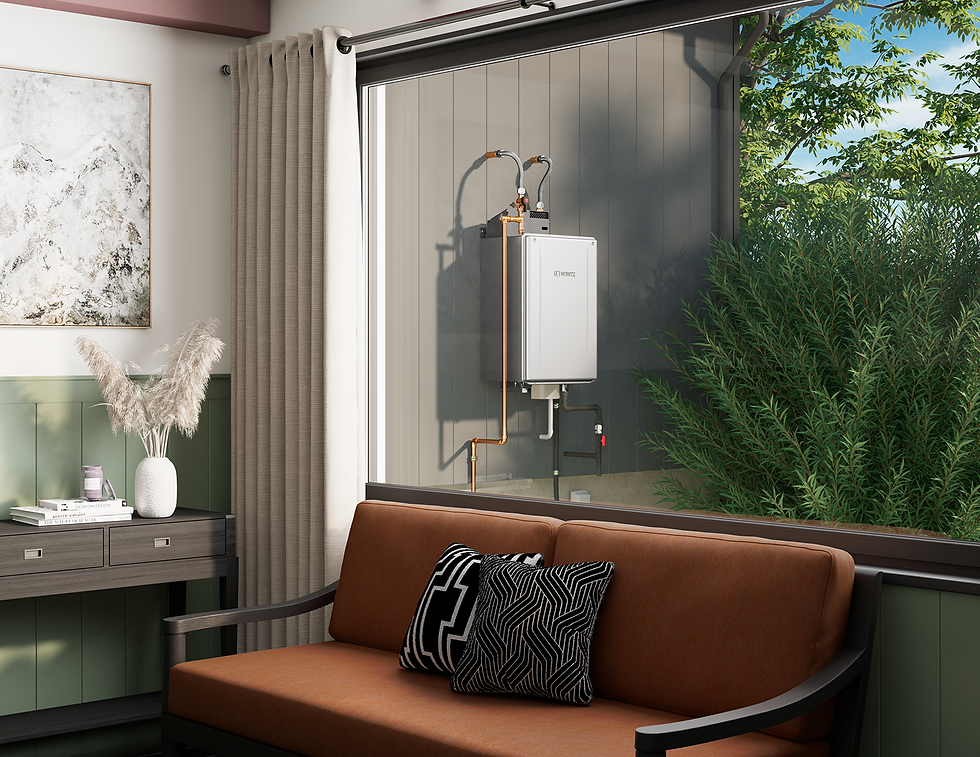
Tankless Water Heaters
Average lifespan: 15–20 years
Fewer internal corrosion issues
Replaceable components extend longevity
If your water heater is approaching or past these ranges, it’s time to pay close attention to warning signs.
How to Find the Age of Your Water Heater
You can usually find the age on the manufacturer’s label attached to the tank. Look for:
Serial number (often includes the manufacture date)
Manufacture date printed directly on the label
If the date isn’t obvious, a licensed plumber can quickly decode the serial number for you.
Signs Your Water Heater Is Near the End of Its Life
1. Inconsistent or No Hot Water
If your hot water runs out quickly or never gets fully hot, the heating elements or burner may be failing—often a sign of age.
2. Rusty or Discolored Water
Brown or rusty water coming from hot taps may indicate corrosion inside the tank. Once rust starts, replacement is usually the safest option.
3. Strange Noises
Popping, rumbling, or banging sounds often come from sediment buildup at the bottom of the tank. Over time, this causes overheating and tank damage.
4. Leaks Around the Base
Any water pooling around your water heater is a red flag. Small leaks can quickly turn into major water damage if ignored.
5. Rising Energy Bills
As water heaters age, they lose efficiency and work harder to heat water—leading to higher utility costs.
What Shortens a Water Heater’s Lifespan?
Several factors can cause water heaters to fail sooner than expected:
Hard water (mineral buildup inside the tank)
Lack of maintenance (no annual flushing)
Incorrect temperature settings
High water pressure
Old anode rod not replaced in time
Regular maintenance can add years to a unit’s life—but it can’t stop eventual wear.
Repair or Replace: Which Is Better?
A good rule of thumb:
Repair if the unit is under 7 years old and the repair is minor
Replace if the unit is over 10 years old and needs major work
Investing in repairs for an aging unit often costs more long-term than upgrading to a new, energy-efficient model.
Benefits of Replacing an Old Water Heater
Replacing your water heater before it fails can help you avoid emergencies and gain several benefits:
Improved energy efficiency
Lower utility bills
More consistent hot water
Reduced risk of leaks or flooding
Eligibility for rebates or energy incentives
Many homeowners also upgrade to tankless systems for endless hot water and longer lifespan.
How to Make Your Water Heater Last Longer
You can extend the life of your water heater by:
Flushing the tank annually
Replacing the anode rod every 3–5 years
Keeping the temperature set around 120°F
Installing a water softener if you have hard water
Scheduling professional inspections
Final Thoughts
Most water heaters last 8–12 years, but waiting until yours fails can lead to water damage, emergency calls, and unexpected costs. Knowing the age of your unit and recognizing early warning signs gives you time to plan and save.
If you’re unsure about your water heater’s condition or considering an upgrade, Nido Plumbing can inspect your system, explain your options, and help you choose the best solution for your home.
Visti our water heater page for more info.


Comments